Free word search
Category
How to Maintain the Value of Older Investment Properties Through Proper Management
2026.11.02
Owners of older investment properties may worry that the value of their assets will decline as the buildings age. While buildings and their facilities inevitably deteriorate over time, a property value is not determined by its age alone. Proper management, regular maintenance, and keeping the property attractive to prospective tenants all play an important role in preserving its value.
The Ministry of Land, Infrastructure, Transport and Tourism (MLIT) also highlights the importance of planned repairs for privately owned rental housing. It warns that leaving deterioration unaddressed can lead to a “negative spiral,” resulting in reduced competitiveness, lower rental income, and insufficient funds for future repairs. So, what should owners of older investment properties focus on maintaining their property value?
■ Maintaining the Condition of the Building is essential for older properties
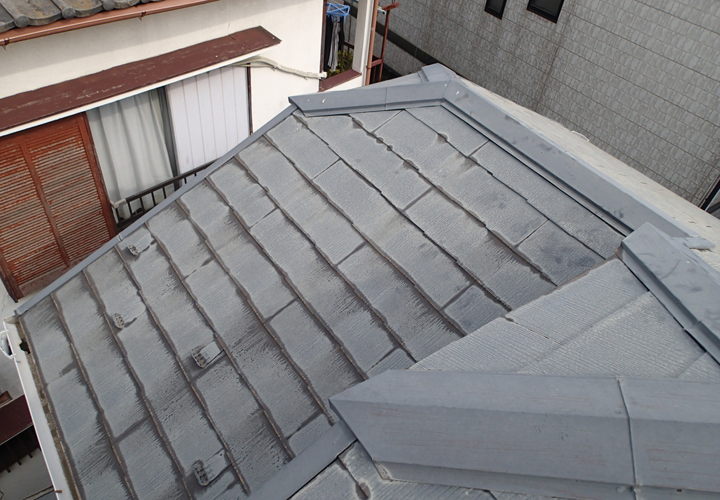
For older properties, it is important to pay attention not only to visible areas but also to the condition of the roof, exterior walls, and plumbing systems. For example, leaving cracks in exterior walls or deteriorating sealant unattended can allow rainwater to enter the building. Similarly, equipment such as water heaters and air conditioners becomes more prone to breakdown as it ages.
MLIT's Guidelines for Planned Repairs in Private Rental Housing provides estimated repair timelines for different parts of a property, including roofs, exterior walls, plumbing pipes, and water heaters. However, the actual timing of repairs varies depending on factors such as the building's type, location, and degree of deterioration.
Rather than deciding when to replace something based solely on the property's age, owners should inspect the building regularly and carry out necessary repairs according to a planned schedule.
■ 3 Key Points to Check to Prevent a Decline in Property Value
When managing older properties, particular attention should be paid to the following three points.
1.Check for Deterioration in the Roof, Exterior Walls, and Other Structural Elements
One of the first things to check is the condition of the building itself. Repairs to roof waterproofing, exterior wall paint, and sealant can become costly if deterioration is allowed to progress. Conduct regular inspections and check for signs such as cracks, peeling or deteriorating paint, and water leaks. Water leaks, in particular, can lead to deterioration inside the building, so it is important to address them promptly.
2.Manage Equipment Such as Water Heaters and Air Conditioners according to the plan
Equipment that tenants use daily is also an important consideration when maintaining older properties. Equipment such as water heaters, air conditioners, kitchen fixtures, and bathroom facilities directly affect tenants' daily lives when it breaks down. Owners should keep track of the age and condition of this equipment and consider repair or replacement schedules in advance, rather than waiting until something breaks and having to arrange an urgent replacement.
It is also important to consider tenant needs and the property's competitiveness with nearby rental properties when deciding which equipment to upgrade and where to allocate the budget.
3.Keep record of repair history
Owners should keep records of when repairs were carried out, which parts of the property were repaired, and what work was done. Having a repair history makes it easier to plan future inspections and determine when additional repairs may be needed. Keeping a record of repair dates and costs for areas such as the roof, exterior walls, and equipment can also help estimate future expenses.
Repair records can also serve as documentation when selling the property, helping explain what maintenance and management work has been carried out over the years.
■ Prioritize necessary repairs for older properties
Just because a property is old does not mean that everything needs to be replaced or that extensive renovations are necessary. Since repair budgets are limited, owners should prioritize issues such as water leaks and areas that affect the building's structural safety rather than renovating everything at once. Next, they should allocate the budget to essential equipment that directly affects tenants' daily lives, such as water heaters and plumbing systems, followed by interior renovations and equipment upgrades that can help reduce vacancies.
As MLIT points out, maintaining housing performance through planned repairs helps sustain occupancy rates, competitiveness against nearby properties, and rental prices. Although a property age cannot be changed, its condition can be maintained through regular inspections and planned repairs.
To protect the value of older investment properties, owners should avoid simply waiting until something breaks before fixing it. Instead, they should use repair records to anticipate future maintenance needs and plans accordingly. This proactive approach can help reduce the risk of major unexpected expenses and vacancies.