
Free word search
Category
What Is Exposed Concrete? Advantages and Points to Consider
2026.05.07
.png)
Exposed concrete buildings, known for their refined and stylish appearance, are popular in both rental and owner-occupied properties.
In this article, we explain what exposed concrete is, along with its advantages and important points to keep in mind.
What Is Exposed Concrete?
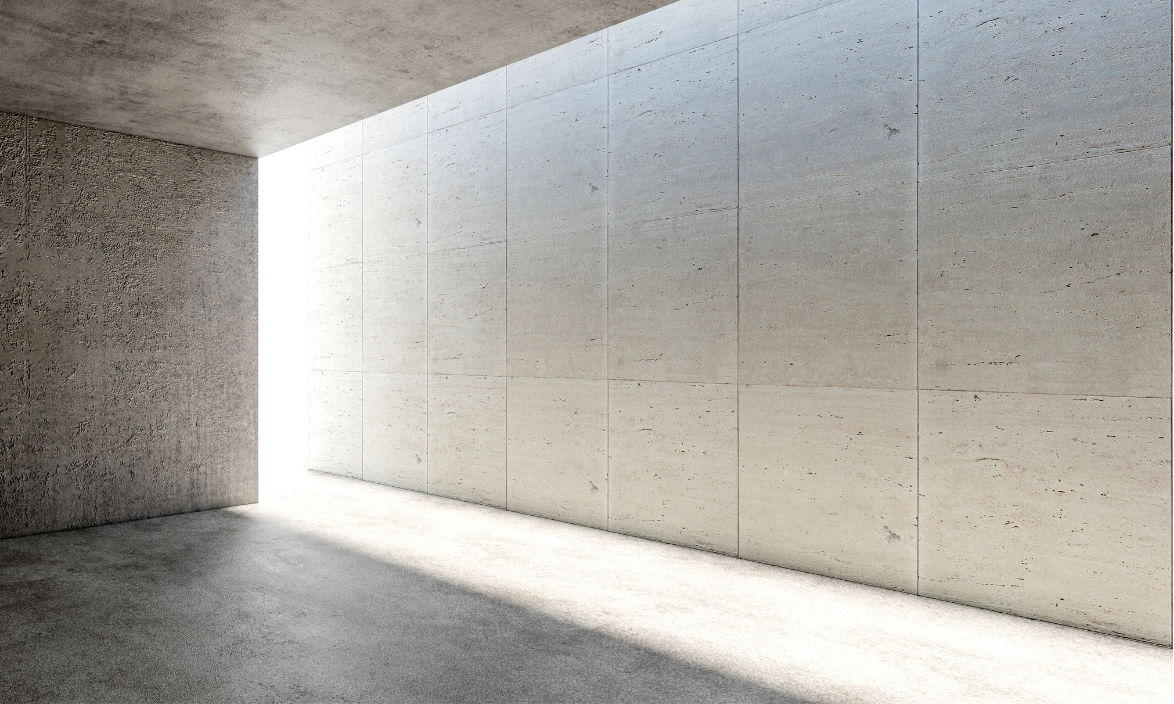
Exposed concrete refers to a finishing method used in RC (reinforced concrete) and SRC (steel-reinforced concrete) buildings. Concrete is poured into formwork to create the structural framework that supports the building.
Because concrete is primarily used to reinforce the building’s structure, exterior walls are typically finished with paint or tiles, while interior walls are finished with paint or wallpaper. However, in exposed concrete construction, these finishing materials are intentionally omitted to leave the concrete surface visible.
There are properties where both the exterior and interior walls are exposed concrete, as well as those where only one side, either the exterior or interior, is left exposed. When exterior walls are left unfinished, a water-repellent coating is generally applied to the concrete to improve water resistance.
Advantages of Exposed Concrete
The main advantages of exposed concrete are its high design appeal, excellent sound insulation, and strong fire resistance.
Many people associate exposed concrete with a modern, urban, and stylish aesthetic. Because of its high degree of design flexibility, curved walls and unique architectural forms can be created. It also pairs well with warm materials such as wood or Japanese-style interiors, creating a balanced and distinctive space.
Compared to wooden structures, exposed concrete offers superior sound insulation. Sounds from inside the room are less likely to travel outside, and external noise is also reduced. For this reason, it is well suited for those who prefer a quiet living environment or enjoy watching movies or playing musical instruments at home.
In addition, exposed concrete buildings have high fire resistance. As a result, fire insurance and earthquake insurance premiums are often lower than those for wooden properties.
Points to Consider When Living in an Exposed Concrete Property
One of the most important points to check when living in an exposed concrete building is thermal insulation performance. This is especially critical when both exterior and interior walls are exposed concrete. Be sure to confirm whether proper insulation has been installed.
Concrete without insulation is highly susceptible to outside temperatures. Heat and cold are transmitted not only through walls but also through ceilings, so it is essential to check whether the ceiling, particularly on the top floor, has adequate insulation.
Without proper insulation, indoor temperatures are more easily affected by outdoor conditions, making rooms hot in summer and cold in winter. Even when using air conditioning, it may be difficult to maintain a comfortable temperature, leading to higher utility costs.
Inadequate insulation can also increase the likelihood of condensation and mold.

Maintenance Methods for Exposed Concrete Properties
Concrete surfaces may develop stains, cracks, or surface deterioration due to aging, making regular maintenance necessary.
One common maintenance method is the reapplication of a water-repellent coating. This coating is usually colorless and transparent, so it does not restore the original appearance of new concrete. However, it is suitable when there are no noticeable stains or damage.
Another option is clear color coating, which involves mixing pigments into a transparent coating and applying it over the water-repellent layer to protect the surface. This method helps even out the concrete’s color and can repair minor color irregularities. Because the clear coating is applied on top of the water-repellent layer, it is more expensive than water-repellent treatment alone.
If the appearance has deteriorated significantly, a method known as the foundation repair method may be effective. This process involves applying water-repellent treatment, filling eroded areas with a special material, sanding the surface, and then applying paint in a color similar to concrete.
In any case, exposed concrete properties are more vulnerable to wind, rain, and ultraviolet exposure, making regular maintenance essential. In addition, because exposed concrete walls are not covered with tiles or wallpaper, the final finish depends heavily on the contractor’s skill. Be sure to hire a contractor with sufficient experience and a proven track record.
Related Articles
.png)